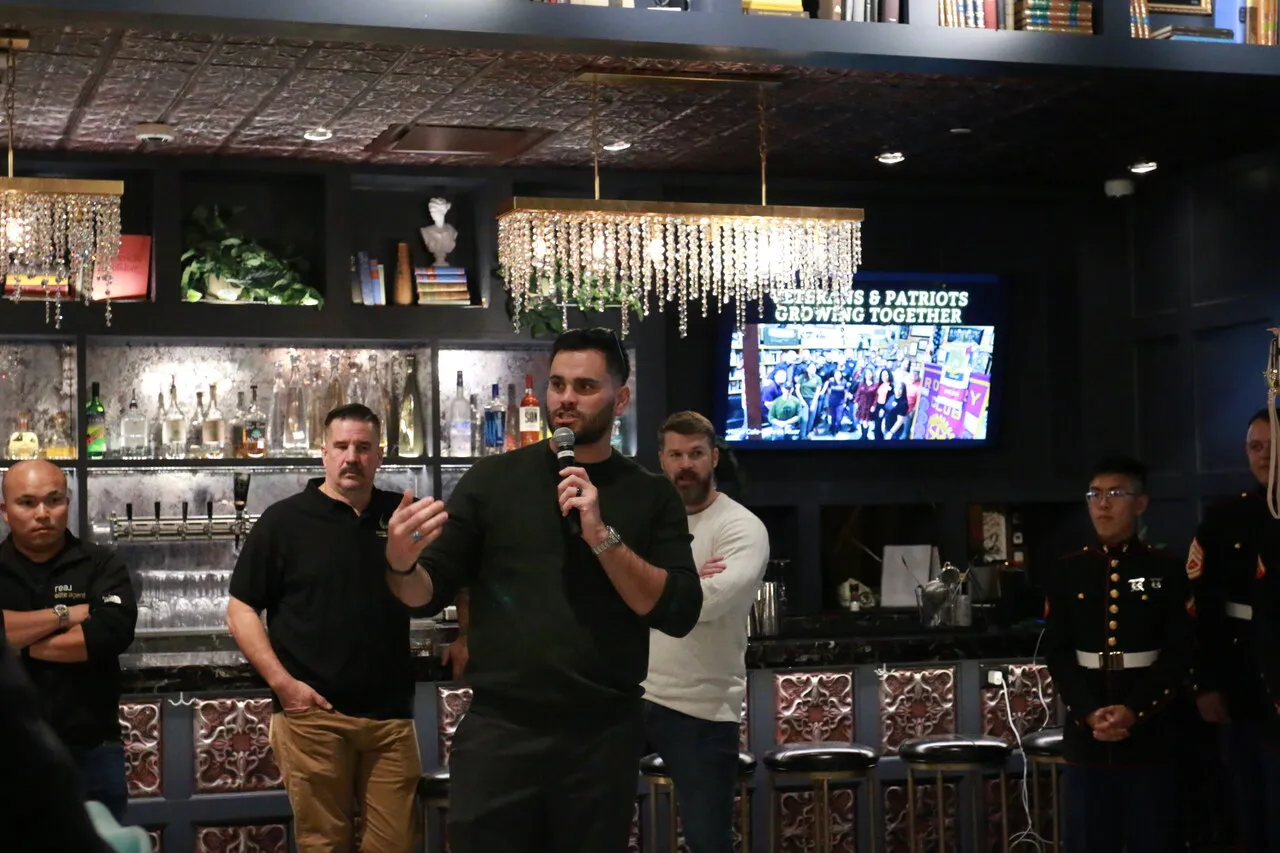
Choosing an event photographer is not only about hiring someone who can take sharp photos. For a business, nonprofit, venue, or community host, the photographer needs to understand why the event matters and how the images will be used after the room clears.
The right photographer can document the people, the setting, the brand presence, the sponsor visibility, and the moments that make the event feel active and worthwhile. The wrong fit can leave you with a folder of random images that do not support marketing, recaps, sponsor reports, social media, or future promotion.
Before you book, look for a photographer who can cover the event as a complete story. TKR Imagery provides corporate event photography for business, nonprofit, community, and public-facing events that need practical images with a clear purpose.
Start with the purpose of the event
Every event has a job to do. A business mixer may be designed to help people connect. A fundraiser may need to show support, attendance, and community energy. A brand activation may need strong images of signage, product interaction, and guest engagement. A live event may need performance moments, crowd response, and atmosphere.
Before comparing photographers, write down what the event needs to accomplish. This helps you evaluate whether a photographer understands the assignment.
Ask yourself what would make the event look successful after it is over. Is it a full room? Active conversations? Strong speaker coverage? Sponsor visibility? Clear documentation of donated items or community participation? A polished gallery for a venue or planning team?
When the purpose is clear, the photography becomes easier to plan. It also helps the photographer make better decisions during the event, especially when several things are happening at once.
Look for complete story coverage
Good event coverage should show more than isolated close-ups. A useful gallery usually includes a beginning, middle, and end.
Before guests arrive, the photographer may capture the venue, registration area, signage, sponsor displays, table settings, stage setup, and branded details. During the event, the focus may shift to speakers, guests, networking, candid moments, sponsor interaction, and room energy. Near the end, the coverage may include awards, group photos, closing remarks, final performances, or last conversations.
This type of story coverage matters because different teams need different images. Marketing may need wide shots and strong people photos. Sponsors may need brand visibility. The event host may need proof of attendance and engagement. A venue may need images that show how the space looked when it was active.
When reviewing a photographer, look for galleries that show range. If every example looks like the same tight portrait or the same empty room angle, the final gallery may not give your team enough to work with.
Make sure they capture sponsor and brand visibility
Sponsor and brand coverage should not be accidental. If sponsors, partners, vendors, or branded activations are part of the event, the photographer needs to know that before the event begins.
Useful sponsor coverage can include signage, booth activity, branded backdrops, product displays, sponsor representatives speaking with guests, guests interacting with sponsor areas, and wide room shots where sponsor placement is visible. These images can support recap reports, thank-you posts, sponsorship renewals, and future partnership materials.
Brand visibility also matters for the event host. A well-planned gallery can show the logo, event name, branded materials, printed programs, staff presence, and the overall quality of the event experience.
Ask potential photographers how they handle sponsor coverage. A thoughtful answer should include planning, priorities, and awareness of how the images may be used later.
Ask how they handle low light and fast-moving moments
Events rarely happen in perfect lighting. Conference rooms, ballrooms, restaurants, theaters, outdoor stages, and evening events can all create challenges. People also move quickly. Speakers turn away from the light. Guests walk through busy spaces. Performers change position. Important reactions happen in seconds.
A strong event photographer should be comfortable working in changing conditions. They should understand how to balance available light, flash when appropriate, and quick decision-making without interrupting the event.
This is especially important for business and community events where the atmosphere should feel natural. The photographer needs to capture real moments without making guests feel staged or distracted.
When reviewing examples, look for clean images in darker rooms, clear speaker photos, natural skin tones, usable wide shots, and candid images that feel sharp and intentional.
Review examples from similar events
The best proof is work that resembles your event.
If you are planning a mixer, look for networking and guest interaction. If you are planning a conference, look for speakers, panels, audience engagement, and sponsor coverage. If you are planning a community event, look for atmosphere, people, signage, and moments that explain what happened. If you are planning a live event or festival, look for action, crowd energy, and scene-setting images.
You do not need an exact match, but the photographer should show that they can handle the pace, setting, and purpose of your event type.
Also pay attention to whether the images feel useful. A polished gallery should give you options for social media, website updates, email recaps, sponsor communication, and future promotion.
Confirm usage rights, turnaround, and delivery
Before booking, confirm how your organization can use the images. Businesses often need photos for websites, social media, email, sponsor recaps, internal communications, sales materials, and future event promotion.
Ask whether those uses are included, whether there are any restrictions, and how the final files will be delivered. You should also ask about expected turnaround time, gallery access, file size options, and whether rush delivery is available if your team needs images quickly.
Clear expectations prevent confusion after the event. They also help your team plan social posts, recap emails, and sponsor follow-ups on a realistic timeline.
Final checklist before booking
Before you choose an event photographer, confirm:
- The event date, location, and coverage hours
- The purpose of the event and how the photos will be used
- Must-capture people, sponsors, partners, and moments
- Whether setup, arrival, closing, or performance coverage is needed
- How low-light or fast-moving conditions will be handled
- Usage rights for marketing, social media, and internal communications
- Delivery timeline and gallery access
- Travel needs, parking, venue access, and on-site contact details
A good photographer should make this conversation easier, not more complicated.
If your event needs polished coverage that supports marketing, sponsors, community visibility, and future promotion, request an event photography quote and start planning before the schedule fills.