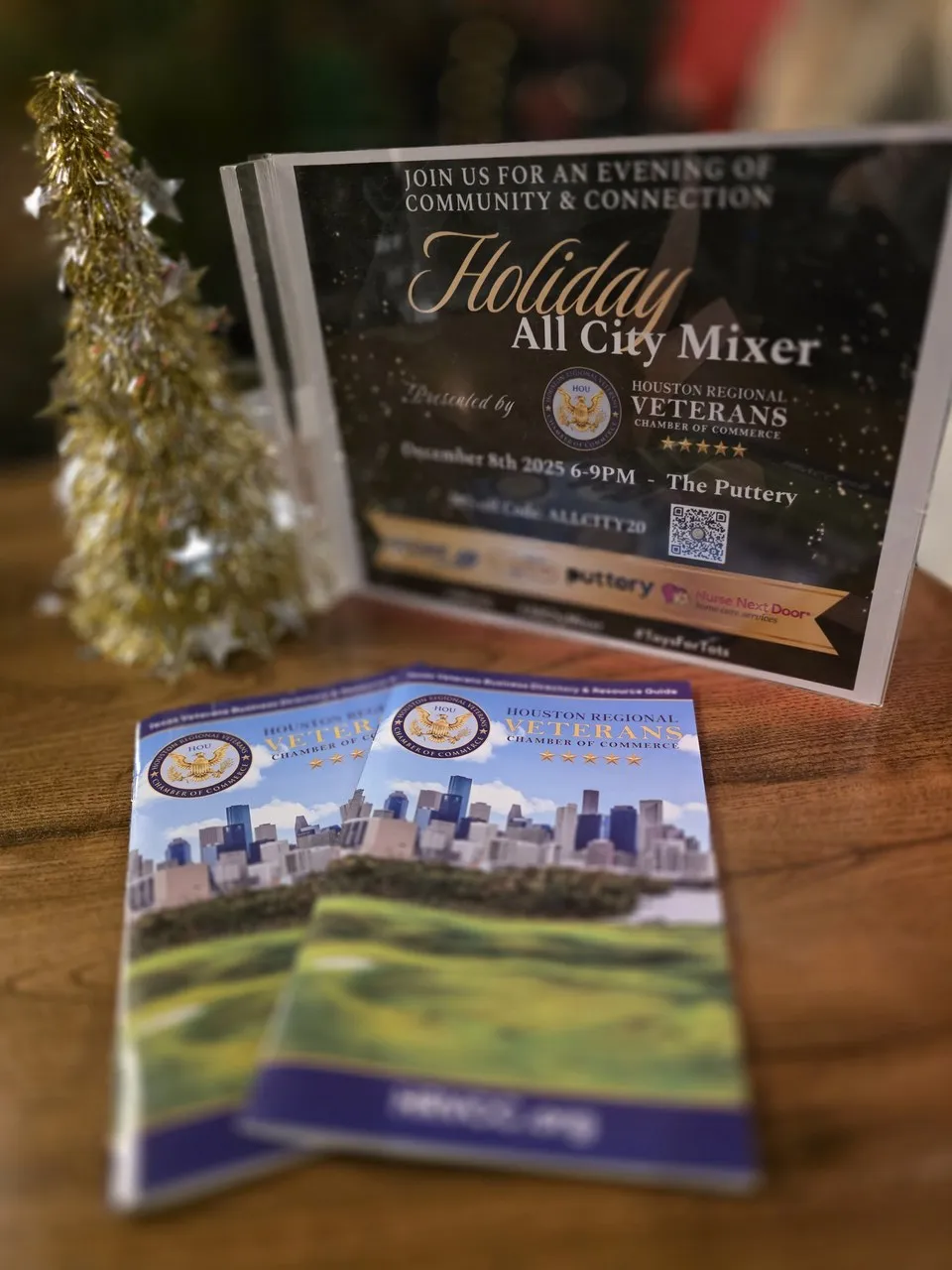
A good event photography shot list protects the moments you will want later. It helps the photographer understand what matters, gives the event team a shared plan, and makes the final gallery more useful for marketing, sponsors, internal communication, and future promotion.
The point is not to script every second of the event. Strong event coverage still needs real moments, natural interaction, and room to respond to what is happening. A shot list simply makes sure the important people, details, branding, and story elements are not missed.
Use this guide as a starting point for mixers, fundraisers, community events, live events, and business gatherings. TKR Imagery offers corporate event photography for events that need coverage planned around practical use after the event.
Before guests arrive
Some of the most useful images happen before the room fills. This is the best time to capture clean event details without guests blocking signage, tables, registration areas, or sponsor displays.
Before arrival, consider photographing the exterior, entrance, registration table, welcome signage, branded materials, sponsor displays, stage setup, seating layout, programs, donation areas, silent auction tables, product displays, table settings, and any event decor.
These images help document planning work. They can also be useful for recap posts, sponsor reports, future event planning, venue marketing, and internal presentations.
If setup photos are important, make sure photography coverage begins early enough. A photographer arriving after guests enter may not be able to capture clean detail images.
Venue and atmosphere
The venue helps tell the story of the event. A strong gallery should show where the event happened and what the space felt like when it was active.
Useful venue and atmosphere images include wide room shots, crowd flow, stage views, seating arrangements, decorated spaces, branded walls, sponsor areas, food and beverage stations, exterior signage, and transition spaces where people gather.
For venues, these images can support future bookings. For hosts, they help show scale, energy, and the quality of the event experience.
Ask for both wide and medium views. Wide images show the room and crowd. Medium views show people inside the space, which often feels more useful than an empty-room angle.
Speakers and presentations
Speakers, hosts, presenters, and panelists often become the face of an event recap. Make sure they are included in the shot list.
Plan for speaker images at the microphone or podium, wide shots showing the audience, close-up moments with strong expression, panel discussions, audience questions, moderators, introductions, award announcements, and speaker interaction with guests.
If the event has a printed schedule, share it with the photographer before the event. If certain speakers are especially important, identify them clearly. If the room has a branded backdrop or sponsor wall, note whether speaker images should include it.
Good speaker photos should feel professional and clear. They should work for LinkedIn posts, email recaps, sponsor thank-you messages, and future event promotion.
Sponsor and partner visibility
Sponsors and partners often need proof that their participation was visible and active. This coverage should be planned, not left to chance.
Sponsor images may include signage, booths, branded displays, product tables, sponsor representatives speaking with attendees, guests interacting with sponsor activations, branded step-and-repeat areas, sponsored items, logo placement, and sponsor mentions during presentations.
The best sponsor photos feel connected to the event, not forced. A sign alone may be useful, but a sign with people nearby can show activity. A sponsor table with representatives talking to guests tells a stronger story than an empty table.
If sponsor deliverables are part of the event, share those needs before the event begins.
Guest interaction and networking
For mixers, fundraisers, and community events, guest interaction is often the main story. These images show connection, attendance, and energy.
Plan for candid conversations, greetings, small groups, people exchanging information, guests laughing, attendees listening, people moving through the space, staff assisting guests, and organizers welcoming participants.
These images are often the most useful for social media and recap emails because they show the event in motion. They help future attendees see what it felt like to be there.
If there are VIPs, board members, sponsors, or community leaders who should be photographed, assign someone on-site who can identify them.
Candid moments
Candid photos work best when the photographer understands what kinds of moments matter. For a business or community event, that may include focused listening, applause, reactions, volunteers helping, donors engaging, performers preparing, guests enjoying an activity, or staff managing the room.
The goal is not to photograph people at random. The goal is to capture moments that explain the event.
Good candid images should feel respectful and useful. They should show real interaction without making guests look unprepared or uncomfortable.
Let the photographer know if there are private areas, sensitive conversations, restricted materials, or guests who should not be photographed.
Group photos and VIPs
Group photos are easy to forget until the event is almost over. If your team needs them, plan them ahead of time.
Possible group photos include leadership teams, sponsors, speakers, volunteers, staff, honorees, board members, community partners, donor groups, performers, or event organizers.
Choose a location with clean light and a clear background. If the group photo should include a branded backdrop or event signage, identify that location early. Also decide when the group photo should happen so key people do not leave before it is taken.
Group photos do not need to dominate the event, but they should be scheduled if they matter.
Closing moments and final details
The end of an event often includes important story pieces. Depending on the event, this may include awards, final remarks, donation totals, sponsor acknowledgments, performances, closing applause, guests leaving, final networking, staff wrap-up, or a last wide shot of the room.
Closing images can help make a gallery feel complete. They also give your team more options for recap posts and internal updates.
If the event has a major closing moment, make sure coverage extends through it.
Simple event photography checklist
Use this checklist as a planning tool:
- Venue exterior and entrance
- Registration or welcome area
- Event signage and branded materials
- Sponsor displays and partner activations
- Room setup before guests arrive
- Wide room shots when the space is active
- Speakers, hosts, panels, and presentations
- Audience reaction and applause
- Candid conversations and networking
- VIPs, organizers, volunteers, and staff
- Group photos scheduled in advance
- Food, beverage, decor, and detail shots
- Performances or live action moments
- Awards, closing remarks, and final atmosphere
- Any private or off-limits moments to avoid
A shot list gives the event more value after it is over. If you are planning a mixer, fundraiser, public program, or live event, request an event photography quote before the day gets busy.